
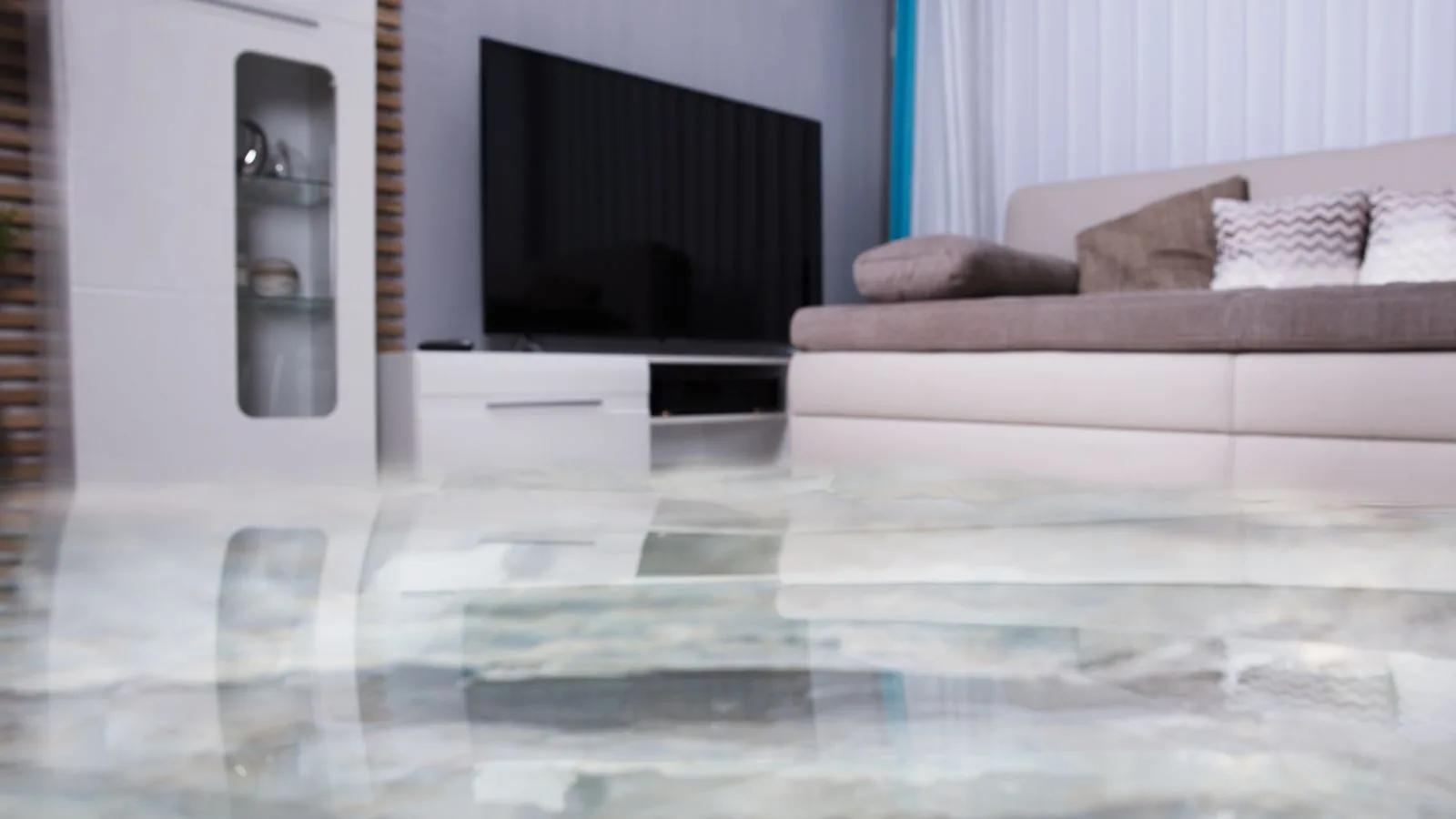
A leak ruins more than floors. It soaks mattresses, couches, rugs and the cardboard boxes in the closet. Most people just want to know whether they can keep these things.
This guide explains how water type, time and material decide what can be dried or cleaned and what should go in the trash.
Water type decides first
The published S500 standard sorts water into three categories by contamination, from clean supply water up to sewage and flood water. Porous items soaked in Category 3 water are usually discarded.
Clean water that is dealt with quickly gives soft items the best chance.
Mattresses and box springs
A mattress is thick and dense, so water soaks deep and dries slowly. A mattress wet with clean water for a short time may be dried with fans and a dehumidifier, but if it stays damp inside it can smell and grow mold. Memory foam is harder to dry.
Mattresses exposed to contaminated water should be discarded.
| Item | Clean water, fast action | Contaminated water |
|---|---|---|
| Mattress | May be dried, with risk | Discard |
| Upholstered sofa | May be cleaned or dried | Discard |
| Area rug | Often saved by cleaning | Often discarded |
| Cardboard boxes | Discard if soaked | Discard |
| Solid wood furniture | Usually dries well | Clean and test |
Water on the floor right now?
☎ Call (774) 483-4896Sofas and upholstered chairs
Foam, batting and frames hold water. Cushions can be removed and dried, but the frame may stay damp. Leather and fabric differ in how they dry, and a musty smell is a sign the inside is still wet.
Lift furniture off wet carpet, and place foil or plastic under legs.
Rugs, clothes and keepsakes
Wash fabrics that can be washed, and dry them quickly. Rugs can be cleaned by a professional. Photographs and paper can be frozen to hold them until a specialist can help. Take photos of discarded items for your insurer.
A restoration crew can pack out contents. Ask about this during the first call.
Documentation and drying the room
List what you discard, with approximate age and cost, and keep photos. Insurers often want this list. Dry the room behind the furniture too, as the structural drying page explains.
If items sat wet for days, ask about mold remediation.
How long you have
Soft items start to smell and grow mold if they stay wet. A good rule is to start drying within a day, since EPA guidance says 24 to 48 hours is the window to prevent growth in many materials. Dense items like mattresses take longer than a rug.
Move wet items to a dry, ventilated spot, and run a dehumidifier. Do not leave them in a closed room.
Cleaning soft items that survive
Washable fabrics can go in the washer on the hottest setting that the fabric tolerates. Hard items can be wiped with detergent and water and dried. Use a wet vacuum on cushions to pull water out before air drying.
Do not use heat that could damage foam or glue. Sunlight and air help on a dry day.
- Extract water from cushions.
- Stand items on edge to air dry.
- Use a dehumidifier in the room.
- Check for smell after a day or two.
What to tell your insurer
List each discarded item with its age, approximate cost and a photo. Mattresses and sofas often have labels with brand and model that help. Keep a few samples if the insurer requests them.
Do not discard everything before you have photos, unless it is contaminated and unsafe to keep.
Special cases: baby items, pillows and stuffed toys
Pillows and stuffed toys can often be washed and dried hot if the water was clean. Car seats, cribs and mattresses for infants deserve care. Check the manufacturer's guidance, since some products should not be used after soaking.
When in doubt about safety, replace the item. Keep photos and receipts, since insurers often cover replacements for belongings damaged by a sudden loss.
Cleaning the room after the items are out
Once soft items are removed, clean and dry the floor and walls where they stood. Water often pools under a bed or sofa and soaks the carpet and pad beneath. Lift the carpet edge if you can and check the underside.
A moisture meter shows whether the floor is dry. If you do not own one, a crew can take readings in minutes. Replace furniture only when readings are normal, to avoid trapping moisture again.
Humid air and slow drying
Coastal humidity slows drying, especially in summer. Fairhaven sits on Buzzards Bay, and damp air in a closed room keeps soft items wet longer. A dehumidifier makes a bigger difference here than a fan alone.
The same applies in Mattapoisett and Marion on the bay.
Frequently Asked Questions
Can I put a wet mattress in the sun?
Sun and air help on a dry day, but inside layers may stay wet. If it smells damp, it is not dry.
Should I throw out everything that got wet?
Not always. Water type and time decide, and hard items often clean up.
Will insurance cover the mattress?
That depends on your policy and the cause. Photograph it and ask your insurer.
Can a crew dry my furniture?
Often yes for clean water. Ask during the call.
Can I save a memory foam mattress?
It is hard. Memory foam holds water deep inside. If it was clean water and you act fast, drying may work, but a smell means it did not.