
A sewage backup in Fairhaven, MA is an emergency, and the dispatch line is open 24/7. Keep people and pets away from the affected area, do not flush toilets or run water that drains to the same line and stay out of the water yourself. If the water touches outlets or the panel, call the utility or 911 about electrical risk before calling the restoration line.
Sewage is the most contaminated kind of water loss. This page explains why it is handled differently from a burst pipe, what crews wear and remove, and how the loss is cleaned and dried.
Sewage coming up a drain: what it means
Searchers often describe it in plain words. Water gurgles in a tub, a toilet will not flush, a basement floor drain bubbles or dark water rises in a shower. These point to a blocked or overloaded sewer line, and they mean wastewater is flowing the wrong way into your home.
Backups are Category 3 water under the published ANSI/IICRC S500 standard, meaning grossly contaminated. That category sets the rules for protective gear, containment and which materials must be discarded.
Why sewage cannot be treated like clean water
Sewage carries bacteria, viruses and parasites. Porous materials such as carpet, pad, upholstered furniture and drywall that were soaked are usually removed rather than cleaned. Hard surfaces can be cleaned and disinfected.
Health questions belong to a physician. If anyone has been exposed and feels ill, contact a doctor and tell them what happened.
Water on the floor right now?
☎ Call (774) 483-4896Who is responsible for the blockage
A blockage inside your house, such as a clogged branch line, is a plumber's job. A blockage in the street main is a municipal matter. Fairhaven's Board of Public Works handles town utilities, and its wastewater treatment plant sits on Arsene Street.
The town's climate vulnerability assessment emphasizes the risk coastal flooding poses to town pump stations, so heavy storms can overload sewer systems. If you suspect a municipal issue, report it to the town and keep photos.
How cleanup works
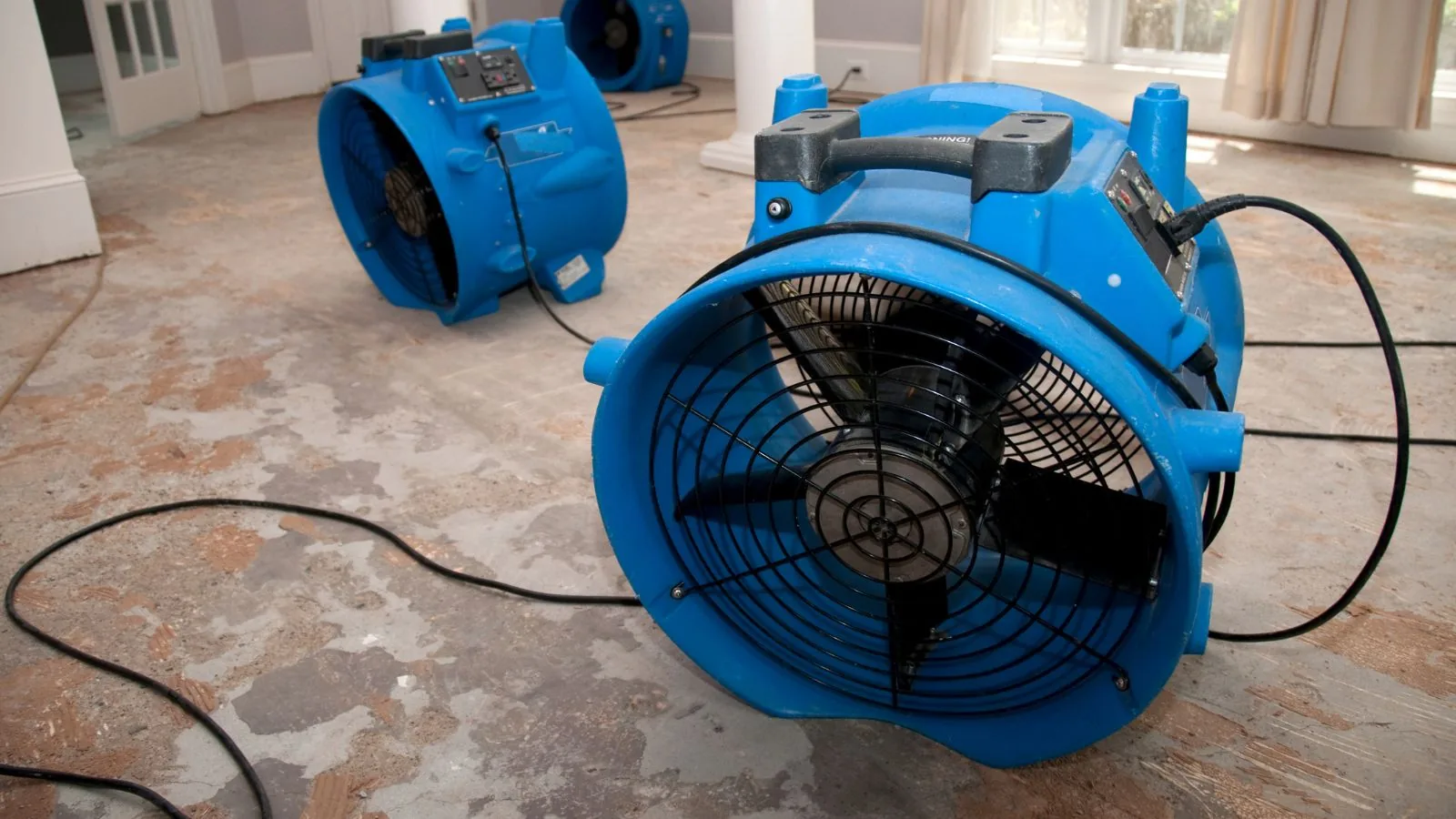
Crews wear protective gear, seal off clean areas and extract contaminated water. Affected porous materials are removed and bagged. Surfaces are cleaned and treated with antimicrobial products, then dried with air movers and dehumidifiers.
Moisture readings and documentation follow, and a plumber confirms the line is clear before rebuilding. For pumping details see water extraction, and for tidal flooding see flood damage cleanup.
Insurance and sewer backup coverage
Standard residential policies exclude sewer backup, the Massachusetts Division of Insurance explains, though most insurers sell an endorsement for it. Some of those endorsements still leave out backup caused by flood, so find out exactly what yours says.
Take photos, list discarded items and keep receipts. Do not throw away contaminated belongings until your insurer has had a chance to document them, unless they are a safety risk.
What shapes the cost of sewage backup cleanup
Sewage cleanup costs more per square foot than clean water jobs because of the safety work. These factors set the scope.
- Contamination
- Category 3 water requires protective gear and disposal.
- Area and depth
- Larger or deeper spills affect more material.
- Porous materials
- Carpet, pad and drywall that were soaked are removed.
- Disinfection
- Surfaces are cleaned and treated before drying.
- Rebuild
- Replacement follows cleaning and drying.
Standard policies usually exclude sewer backup unless you added an endorsement, according to the Massachusetts Division of Insurance. Check your policy and ask your insurer what applies.
Backup in progress? Stay out, then Call (774) 483-4896 for guidance and a clear scope.
Sewage backup: what to do and what to avoid
A short guide while you wait for help.
| Do | Do not | Why |
|---|---|---|
| Keep people and pets out | Wade through the water | Contaminated water carries pathogens |
| Turn off power only if safe | Touch wet electrical equipment | Shock risk |
| Photograph the damage | Throw items away yet | Insurers may want to see them |
| Call a plumber and dispatch | Run water or flush | More water adds to the backup |
| Ventilate if safe | Mix cleaning chemicals | Fumes can be dangerous |
Reporting and documenting
Write down the time you noticed the backup, which fixtures were affected and whether neighbors have the same problem. Photographs of the water line on walls help.
Crews serve Fairhaven and nearby towns such as New Bedford and stay in contact with your plumber so cleanup and line repair are coordinated.
Frequently Asked Questions
Do you handle sewage backup cleanup emergencies at night or on weekends in Fairhaven?
Yes. Backups happen at night and on weekends, and the Fairhaven line is open 24/7. Call from a safe distance, describe what is coming up, and dispatch arranges the earliest response it can.
Can I clean up sewage myself?
Small amounts on hard surfaces can sometimes be cleaned with proper gloves and disinfectant, but larger spills or anything soaked into porous materials should be handled by trained crews.
Why is carpet thrown away after a backup?
Porous materials soaked in sewage cannot be reliably disinfected, so they are usually removed.
How do I know if the problem is the town's sewer?
If neighbors have the same issue or the plumber finds the street main blocked, report it to the town.
Is the air safe to breathe?
Ventilate when safe, avoid the area and talk to a physician about any health concerns.