
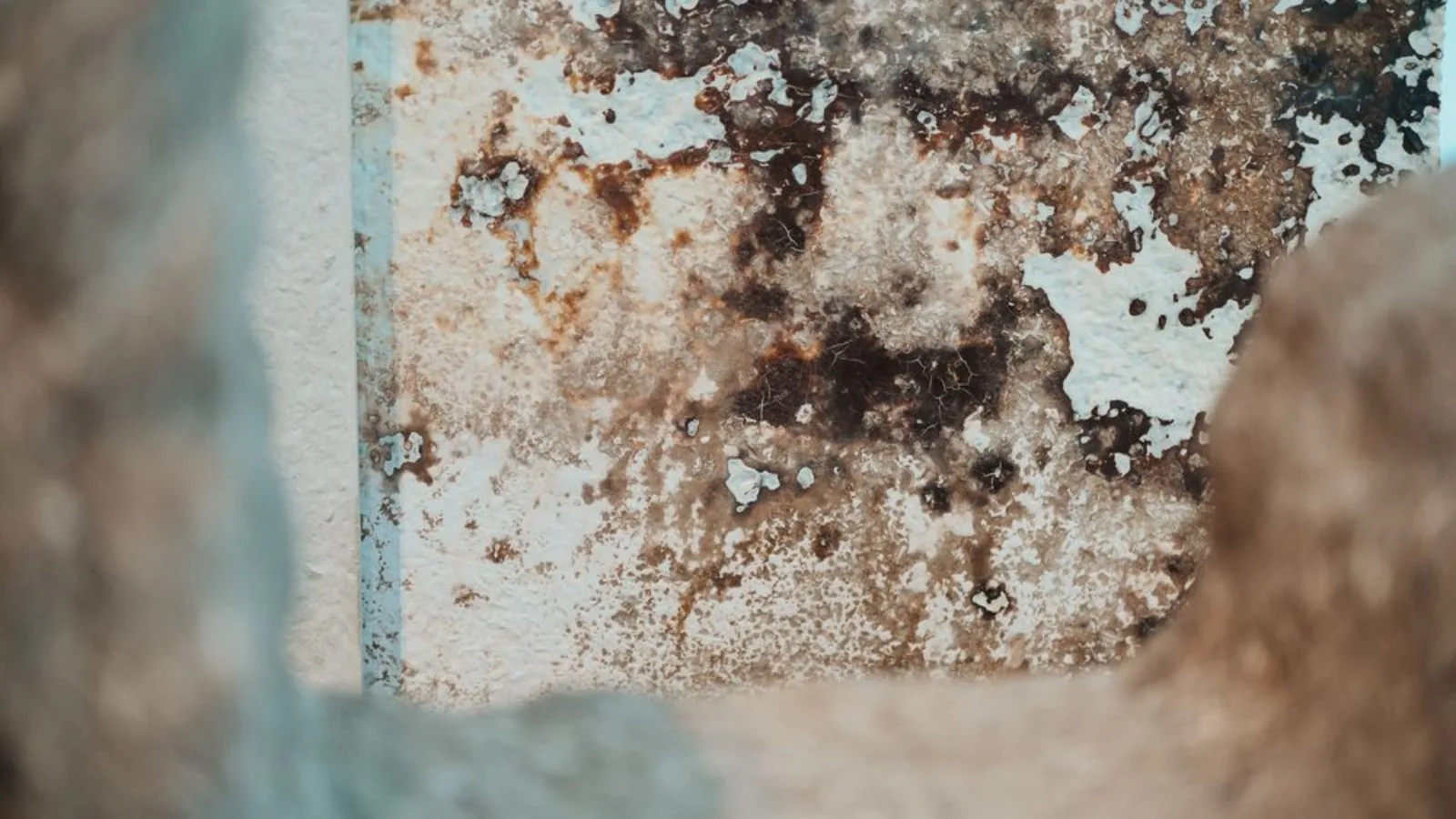
Wall and drywall water damage in Fairhaven, MA often looks small from the outside. A stain, bubbled paint or a soft patch can sit on top of a wet cavity with insulation and framing. If water is actively leaking, stop the source and call dispatch, which is open 24/7.
This page explains how crews decide between drying and removing drywall, what happens to insulation and baseboard, and how repairs are staged.
Signs that a wall is wet inside
Common signs include stains, peeling paint, bubbling, soft spots, a bulge at the baseboard and a musty smell. A wall may feel dry to the touch and still hold moisture in the cavity. Water often travels down framing from a leak above.
Moisture meters and thermal cameras show where the wall is wet, so crews cut only where needed.
Dry in place or cut out
Drywall that was exposed to clean water briefly can sometimes be dried in place with air movers and cavity drying. Drywall that stayed wet, crumbled or got contaminated water is cut out. The line is usually a measured moisture reading.
Cuts are often made about a foot above the highest wet reading so edges are on dry material. Insulation in the wet cavity is removed because it holds water.
Water on the floor right now?
☎ Call (774) 483-4896Baseboards, paint and trim
Baseboard can be removed and reinstalled to give access to the wall base. Painted surfaces can trap moisture, so paint is sometimes removed before drying. See structural drying for how readings guide the process.
Cutting and repair follow drying, and a painter or drywall contractor completes the finish.
Older homes and plaster
Many older Fairhaven houses have plaster and lath rather than drywall. Plaster dries more slowly and can crack or detach when wet. Homes built before 1978 may contain lead paint, and older materials can contain asbestos, so testing before demolition is wise.
Ask the Fairhaven Building Department about local requirements, and see the basement page for older foundation concerns.
Mold concerns and documentation
If a wall stayed wet more than 24 to 48 hours, ask about mold. The mold remediation page explains testing and removal. Photograph the wall before cutting and keep moisture logs for your insurer.
A plumber or roofer should fix the cause before the wall is closed up.
Rebuilding the wall after drying
Once readings are normal and the cause is fixed, new insulation and drywall go in, followed by tape, joint compound, primer and paint. Texture should match the old wall. Allow drying time between coats.
Painters sometimes ask when the wall is ready. The moisture logs answer that question better than the calendar.
Safety checklist before opening a wall
Walls hide wiring, pipes and, in older homes, materials that need testing. Homes built before 1978 may have lead paint, and the EPA's lead renovation rules affect contractors working in such homes. Test before you sand or demolish.
Electrical safety comes first, since wet drywall can sit against live wiring.
- Turn off power to the wall's circuit if you can do so safely.
- Do not cut or sand old painted surfaces.
- Wear gloves and eye protection if you touch wet material.
- Photograph the wall before cutting.
- Ask whether testing is needed.
What shapes the cost of wall and drywall water damage
Wall repair scope depends on how much is wet and what the walls are made of.
- Height of the water line
- Wicking can climb above the visible stain.
- Wall material
- Drywall, plaster and paneling behave differently.
- Insulation
- Wet insulation is typically removed.
- Water category
- Contaminated water means removal.
- Finish
- Texture, paint and trim are separate from drying.
Wall damage is often covered when the cause is a sudden, covered event. Slow leaks and maintenance issues may not be. Ask your insurer and keep photos, logs and receipts.
Wall stained or soft? Call (774) 483-4896 and get moisture readings explained before cutting.
Wall materials and water response
Different materials need different decisions.
| Material | Response to water | Usual decision |
|---|---|---|
| Drywall | Absorbs and softens | Cut out if wet or soft |
| Plaster and lath | Dries slowly | Dry and test, cut if loose |
| Fiberglass insulation | Holds water | Remove from wet cavity |
| Wood framing | Dries well | Dry to normal readings |
| Paneling | Warps | Often replaced |
Before closing the wall
Make sure readings are normal, the leak is fixed and any mold question is answered. Closing a wet wall causes new problems. Keep records of each reading.
Crews serve Fairhaven and nearby towns such as New Bedford and Mattapoisett.
Frequently Asked Questions
Does all wet drywall have to be replaced?
No. Brief clean water exposure can sometimes be dried in place, and readings decide.
Why cut above the stain?
Moisture wicks upward, so cuts are made on dry material.
Is the paint a problem?
Paint can slow drying, so crews sometimes remove it to let the wall breathe.
Should I worry about old plaster?
Older materials may need testing for lead paint or asbestos before demolition.