
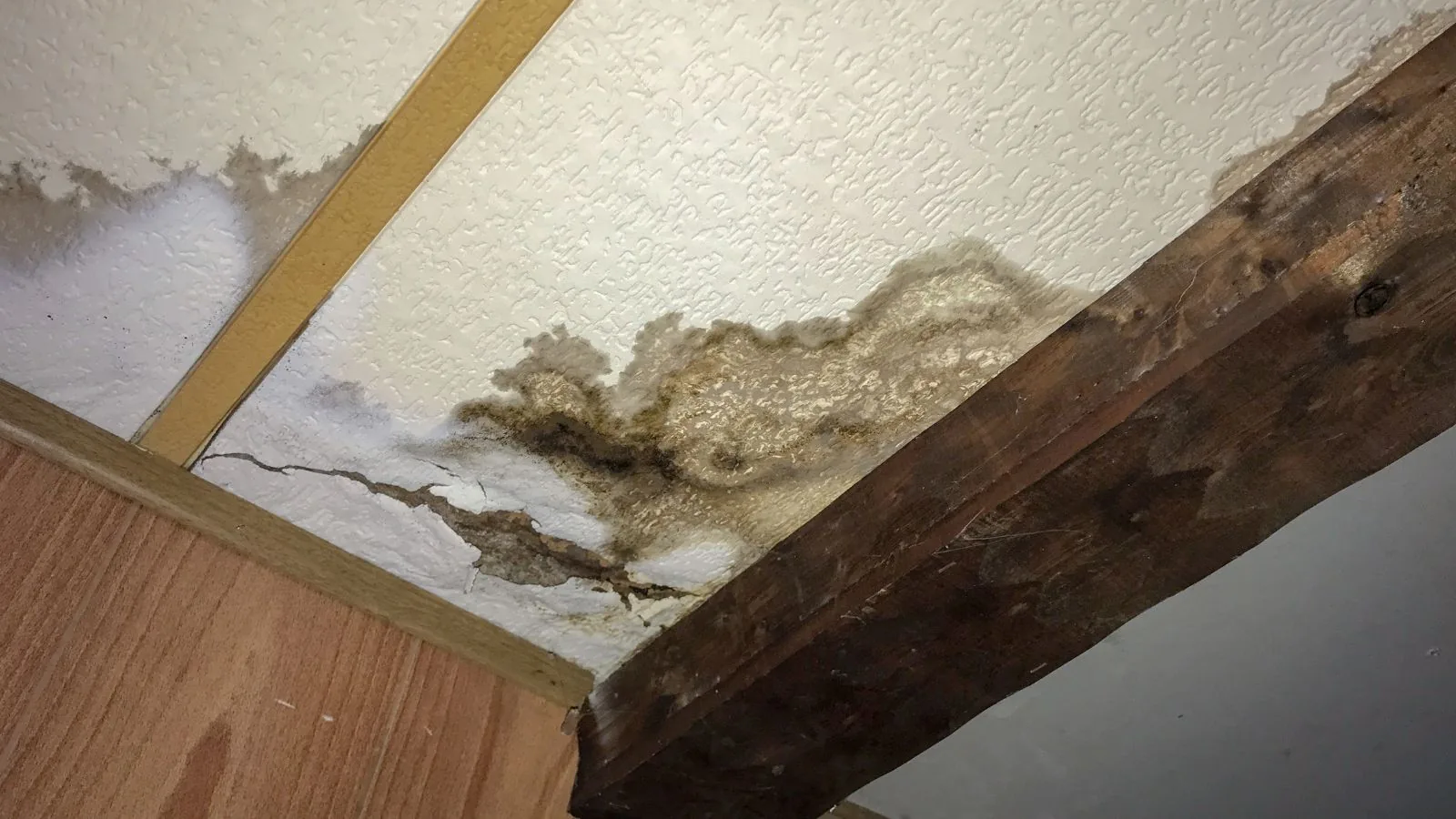
Selling a home with a history of water damage feels risky, but buyers see leaky basements and old stains all the time. What worries them most is not the history, it is the missing paperwork and the repairs that look rushed.
This guide explains how to document past damage, what to fix before listing and what questions to take to a real estate attorney or agent, since disclosure rules are a legal matter.
Why buyers worry about water
Water problems can mean hidden rot, mold, failed systems or a recurring leak. A buyer's inspector will look for stains, soft spots, musty smells and high moisture readings. A clean story with records often calms that fear.
A fresh coat of paint over a stain does the opposite. It looks like hiding, and inspectors know the signs.
Gather your records
Collect invoices, moisture logs, photos before and after, permits and warranties for any repair. Keep the insurance claim paperwork if there was one. These show what happened, how it was fixed and that the cause was addressed.
A one-page timeline of the event and repairs helps your agent answer questions.
| Record | Why it helps | Where to find it |
|---|---|---|
| Repair invoices | Show what was done | Contractor or your files |
| Moisture logs | Show drying finished | Restoration company |
| Photos | Show before and after | Your phone and contractor |
| Permits | Show approved work | Fairhaven Building Department |
| Claim papers | Show the event and payout | Your insurer |
Water on the floor right now?
☎ Call (774) 483-4896Fix the cause before you list
A leak that comes back during a showing or inspection costs far more in confidence than the repair would have cost. Repair the source, dry the area and confirm readings. If you cannot fix everything, be ready to explain what remains.
The structural drying page explains how drying is confirmed with readings.
Disclosure and legal questions
What you must tell a buyer is a legal question and depends on the facts. This page cannot answer it. Talk to a real estate attorney or your agent about what to disclose and how to document it.
In general, honesty and records protect you better than silence. Do not misstate what you know.
Mold, odors and showing the house
Musty smells put buyers off. Find the source, dry it and ventilate. If growth is present, the mold remediation page explains assessment and removal.
Do not mask odors with heavy air fresheners. They invite suspicion.
Showing a repaired space honestly
When buyers see a repaired basement, they will want to know what happened and what was done. Have a short, factual answer ready and a folder of papers to back it up. Do not guess at details you do not know.
A seller who answers questions plainly earns more trust than one who deflects. Your agent can help you decide how much to share and when.
Handling the inspection
Expect the buyer's inspector to take moisture readings and look at past repair areas. Make sure the area is accessible, the sump pump is working and gutters are clear. If readings are high, find out why before the inspection report does.
If the inspector flags something, you can get a second opinion or offer to repair it. Both are better than a surprise at closing.
- Clear access to the basement and crawl space.
- Test the sump pump and discharge.
- Clean gutters and downspouts.
- Keep records handy for questions.
Pricing and negotiation
A documented repair usually causes fewer concessions than an unexplained stain. Buyers may still ask for a credit, and that is a negotiation, not a crisis. Your agent can tell you what is typical in your market.
If a problem is not fixed, consider whether it is cheaper to repair or to adjust the price.
Timing the sale
If damage is recent, do not list until drying is done, the cause is fixed and readings are normal. A house that goes on the market mid-repair raises more questions than it answers.
If the damage is old and repaired, gather records now so they are ready when buyers ask. A calm, organized seller makes every conversation easier.
Money matters: repairs, credits and insurance
Repairs done before listing raise confidence. Repairs left for the buyer usually come back as a credit request. Ask your agent which is likely to cost less in your market.
If an insurance claim paid for repairs, make sure the work was actually done. Buyers and lenders can ask for proof, and unfinished claim work can cause delays at closing.
Standards buyers and inspectors use
Inspectors often refer to moisture readings, and ANSI/IICRC S500 is the published standard for water damage restoration. The FEMA flood map and your insurer's flood coverage rules also come up in a sale.
Selling in a coastal Fairhaven market
Buyers on Sconticut Neck or near Fort Phoenix often ask about flood zones, and the town's climate vulnerability assessment notes coastal flooding exposure in several areas. Have your FEMA flood zone and any flood insurance records ready.
Sellers in Mattapoisett and Marion face similar buyer questions along Buzzards Bay.
Frequently Asked Questions
Do I have to disclose past water damage?
That is a legal question. Ask a real estate attorney or your agent what applies to your situation.
Should I repair before selling?
Usually yes for the cause and any damage that affects safety or function. Your agent can advise on cosmetic work.
Will an insurance claim hurt my sale?
Claims can appear in some reports. Ask your insurer and agent how it is handled.
Can a restoration company give me a letter?
Many provide invoices, moisture logs and photos, which are more useful than a general letter.
Should I tell the buyer about an old claim?
That is a legal question. Ask your attorney or agent what applies to your sale.