
A water damage scope of work is the document that says what the crew will do, where and with what. It is also the first thing an insurer will ask to see. Many homeowners sign one without understanding half the line items.
This guide explains the common parts of a scope, the abbreviations you will see and the questions that help you compare one company's scope with another's.
What a scope of work is
A scope lists the rooms affected, the materials that are wet, the work planned for each and the equipment on site. It should match what the crew saw and measured, not a generic template.
A good scope is specific enough that you can check it later against what was actually done. Vague wording like 'water mitigation services' tells you very little.
Common line items explained
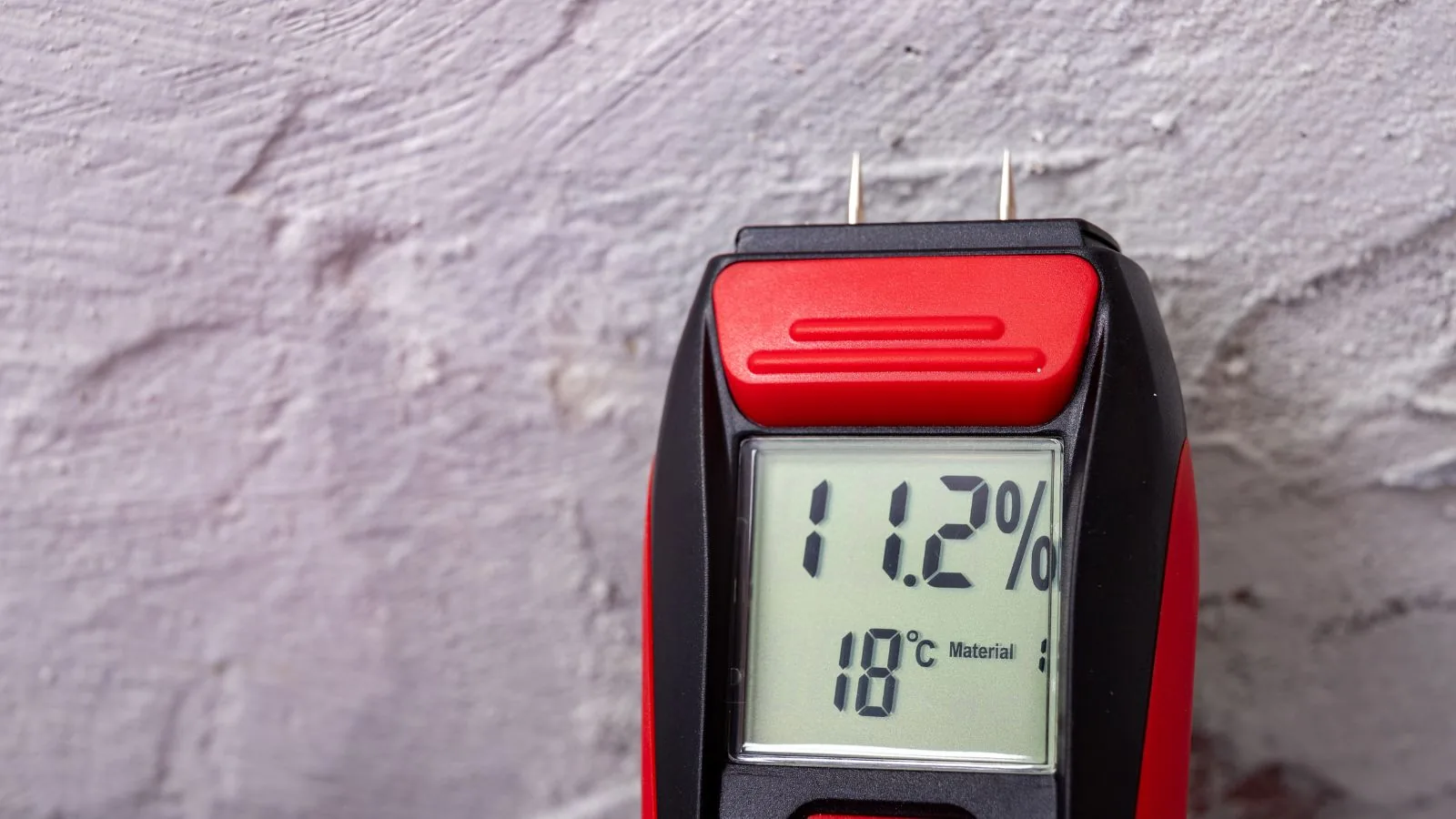
Extraction removes standing water. Demolition covers materials removed because they cannot dry. Drying covers air movers and dehumidifiers, usually billed per day or visit. Cleaning and antimicrobial treatment come after, and monitoring covers moisture readings.
Pack-out is moving contents off site. Rebuild is separate, often by a different contractor.
| Line item | What it means | What to ask |
|---|---|---|
| Extraction | Removing standing water | Which rooms and how deep |
| Demolition | Removing unsalvageable material | Which materials and why |
| Drying equipment | Air movers and dehumidifiers | How many and for how long |
| Monitoring | Moisture readings | How often and how recorded |
| Pack-out | Moving contents | Where they go |
Water on the floor right now?
☎ Call (774) 483-4896Water categories and why they matter
The published ANSI/IICRC S500 standard groups water as Category 1 (clean), 2 (gray) and 3 (grossly contaminated). The category changes which materials can stay and what protective work is needed. A scope that ignores the source is missing something.
Ask what category the crew assigned and why.
Questions to ask before you sign
Ask how long equipment is expected to run and what readings end the job. Ask who removes debris, whether pricing is itemized and how changes are handled. Ask for photos and moisture logs you can share with your insurer.
If a company will not explain a line item, that tells you something. Compare at least two scopes when you can.
Scope, price and your insurer
Insurers write their own scopes and may disagree with a contractor's. Keep your photos, logs and invoices so differences can be sorted out. Your policy and your insurer decide what is covered, not the contractor.
For how common services fit into a scope, see the water extraction page and the structural drying page.
Spotting scope problems early
Watch for line items that sound reasonable but say nothing. 'Lump sum' totals with no breakdown, 'misc. materials' with no list and equipment charges with no number of units or days all make it hard to check the work later.
Also compare square footage. If the scope lists a room as 200 square feet and the room is 120, ask why. Errors in measurement flow through to every charge that depends on area.
Keeping your own record
Take your own photos of each room before work starts and each day equipment is in place. Write down the date equipment is set and removed. Keep a copy of every document you sign.
If a dispute comes up with a company or an insurer, your own record settles questions that memory cannot. It takes ten minutes a day and saves hours later.
- Photos of each affected room before work.
- A list of equipment and dates on site.
- Copies of signed scopes and change orders.
- Receipts for anything you paid.
When the insurer's scope and the contractor's differ
It is common for an insurer's estimate to be lower or to list items differently. Ask the insurer to explain in writing what it will pay for and what it will not. Share your moisture logs and photos so the adjuster can see what the crew saw.
If you disagree, you can ask for a review. The scope is the starting point for that conversation.
Matching the scope to your goals
Think about what you want at the end. Do you want the house returned to its original state, or are you planning a remodel anyway? A scope that includes dry-out only is different from one that includes rebuild. Be clear about which you are buying.
If you plan to hire a separate contractor for the rebuild, ask the restoration company to document the moisture readings that show walls and floors are dry and ready.
Scope questions that come up in Fairhaven
In an older Fairhaven house, a scope may need to account for plaster walls, original flooring and cellars that dry slowly, since nearly 3,000 of the town's 7,447 housing units were built before 1940. Ask whether the scope notes lead paint or asbestos testing before demolition.
Crews also work in nearby North Dartmouth and New Bedford, and the same scope questions apply.
Frequently Asked Questions
Should the scope list a total price?
Many do. At minimum, you should know how pricing works and what could change it before you sign.
Can I negotiate the scope?
You can ask what each item is for and whether anything is optional. Do not remove drying steps just to cut cost.
Who decides what my insurer covers?
Your policy and your insurer. The scope documents the work, but coverage is a separate decision.
What if the scope changes midjob?
Ask for a written change with the reason, such as hidden moisture found behind a wall.
Is a lower price always a sign of a worse scope?
Not always, but check what is missing. A low total with no drying logs or monitoring may leave work undone.