
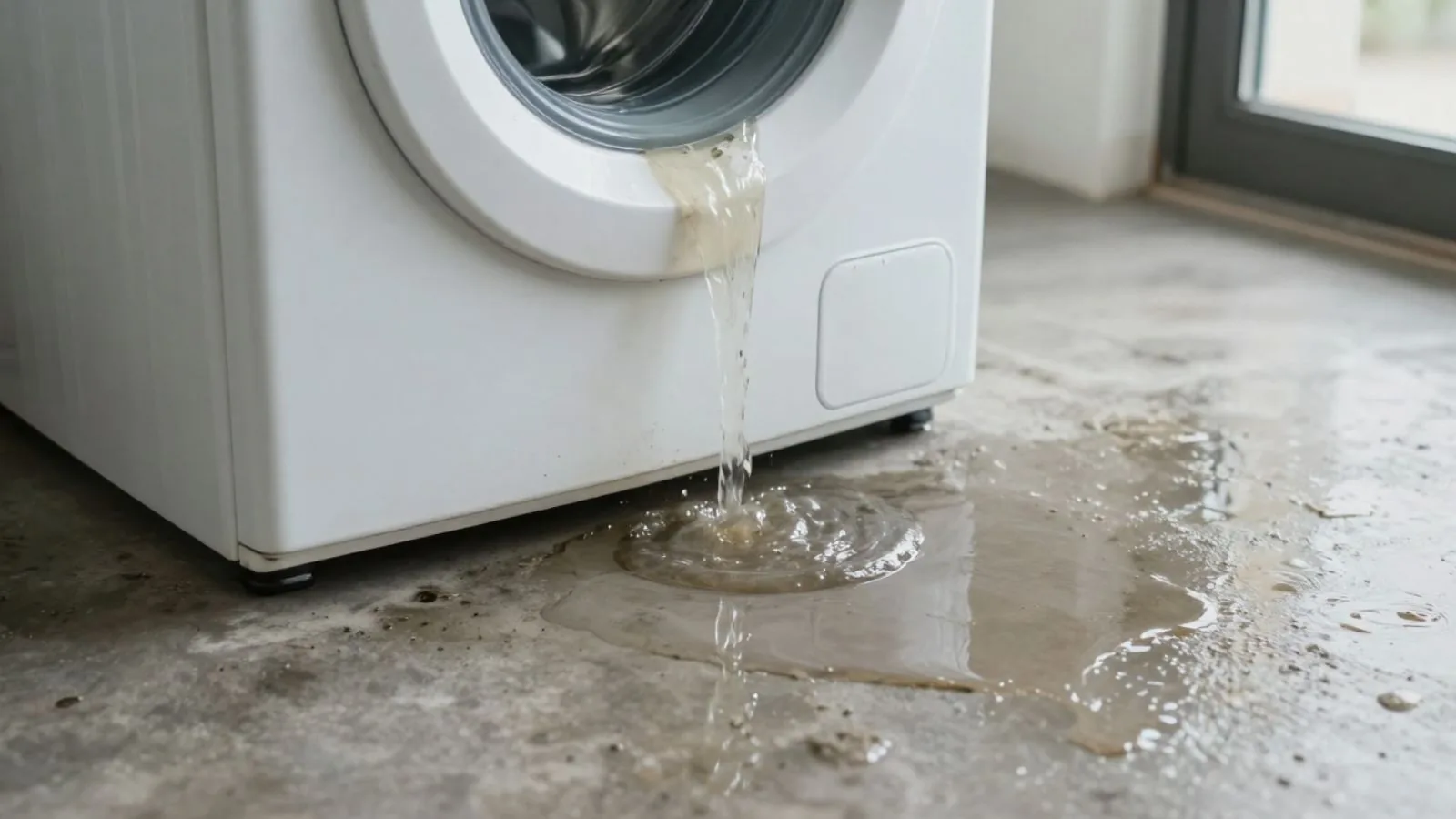
When water floods or leaks in a rental, two people care about the answer: the tenant who lives there and the landlord who owns it. Both want it fixed, but they worry about different things, belongings for one and the building for the other.
This guide covers the first steps for each side, how to document the damage, and where to find official rules. Nothing here is legal advice, and tenants and landlords should look at their lease and local rules.
First steps for tenants
Stop the source if you can do so safely, and tell your landlord in writing as soon as possible. Photograph everything, including the source, the water, damaged belongings and dates. Keep wet items until the landlord or insurer has seen them if it is safe.
Call the 24/7 line if water is spreading and your landlord cannot be reached right away, and tell the landlord you did.
First steps for landlords
Respond quickly, fix the cause and arrange drying. Notify your insurer and tell tenants what to expect. Delays raise damage and the chance of mold, which complicates everything later.
Document the unit before and after, and keep records of who was told what and when.
| Item | Tenant usually handles | Landlord usually handles |
|---|---|---|
| Building structure | Reports the damage | Repairs and drying |
| Personal belongings | Claims on renters insurance | Not usually responsible |
| Temporary housing | Checks lease and renters policy | Depends on lease and law |
| Notice in writing | Sends promptly | Acknowledges and responds |
| Mold concerns | Reports early | Investigates and fixes the moisture |
Water on the floor right now?
☎ Call (774) 483-4896Insurance for each side
A landlord's policy covers the building, and a tenant's renters policy covers belongings and may cover extra living costs. Neither policy covers everything, so each side should read theirs.
If a tenant caused the leak, such as a washing machine hose, questions of fault arise. Photos and a clear timeline help sort that out.
What the rules say
Massachusetts has a State Sanitary Code that sets minimum housing standards, and local boards of health enforce it. It is the place to check when repairs are not made. Read the official text and ask the local Board of Health about your situation.
A lease may also assign certain duties, so read it carefully.
Drying, mold and moving back
Drying protects the unit and the people in it. See the structural drying page for how readings confirm it is finished. If growth appears, the mold remediation page explains the next step.
Do not move belongings back until the area is dry and clean.
Writing a good notice
A notice to a landlord should say what happened, when you found it, where the water is and what you need. Attach photos and send it in a way that creates a record, such as email plus a copy by mail. Keep copies of everything.
Avoid blaming. State facts and ask for a response by a specific date. Calm, clear notices get better results and protect you if the matter goes further.
Belongings, receipts and temporary housing
Make a list of damaged belongings with photos, age and approximate cost. Keep receipts for hotels, meals and other costs if you have to leave. Your renters insurance may cover some of these, depending on the policy.
Ask your landlord in writing whether the lease covers temporary housing. Read the lease before you decide.
- Inventory of damaged items.
- Receipts for extra living costs.
- Copies of notices and replies.
- Renters policy number and agent.
When repairs stall
If repairs are not made, the local board of health can explain the process for a code complaint. Keep records of each contact. Tenants may also look into tenant resources and legal aid if the situation worsens.
Landlords benefit from quick action as well. Delay raises damage, cost and the chance of a dispute.
Shared walls and shared lines
In duplexes and triple-deckers, water often starts in one unit and shows up in another. Photograph both sides of the wall if you can. Note whether the source is a shared drain, a roof leak or a fixture inside one unit, since that decides who repairs it.
Tell your landlord promptly and ask them to coordinate with other tenants. Dried walls and floors on both sides reduce the chance of mold later.
Renting in Fairhaven and nearby
Fairhaven has many older multi-family homes, and the town's hazard mitigation plan counts nearly 3,000 of 7,447 housing units as built before 1940. Older plumbing and shared walls make leaks between units more common.
Tenants in New Bedford and North Dartmouth should contact their own town's board of health for local rules.
Frequently Asked Questions
Should a tenant call the restoration company?
If water is spreading and the landlord is unreachable, yes, and tell the landlord right away. Otherwise coordinate with the landlord.
Does renters insurance cover water damage?
It often covers belongings from sudden events. Read your policy and ask your insurer.
Can a tenant withhold rent after a leak?
That is a legal question. Check your lease and local law or ask a tenant resource office.
Who do I call about a repair my landlord ignores?
The Fairhaven Board of Health can explain the process for code concerns.
What if the leak came from my neighbor's unit?
Tell your landlord in writing, photograph your damage and call for guidance. Your landlord and the neighbor's landlord may need to coordinate.