
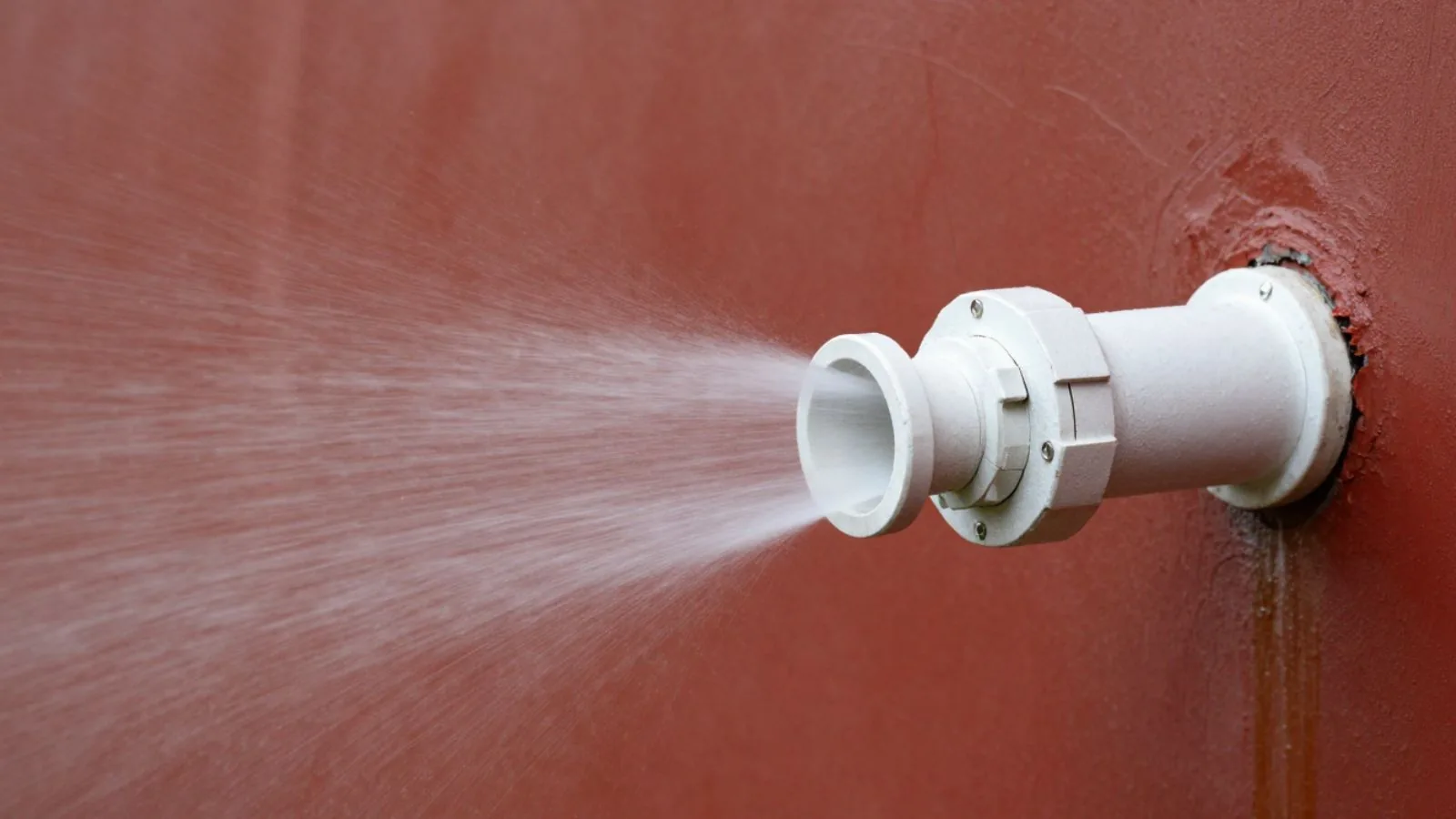
Water finds a way into a house in every season, but the route changes. Winter cracks pipes, spring floods basements, summer drips from air conditioners and fall drops leaves into the gutters that were supposed to carry the rain away.
This guide walks through the year and gives you a short check for each season, so small things get fixed before they turn into a call at two in the morning.
Winter: frozen and burst pipes
Pipes in exterior walls, unheated crawl spaces and garages freeze first. When ice thaws, a split pipe starts leaking. Insulate exposed lines, let faucets drip in a hard freeze and know where your main shutoff is.
If a pipe has burst, the burst pipe page explains the first steps, and the frozen pipe page covers prevention.
Spring: melt, rain and groundwater
Snowmelt and spring rain raise groundwater and test sump pumps. Look for damp spots on basement walls, test the pump and clear window wells. Check the roof for winter damage before the heavy rain arrives.
Low spots in a cellar fill first, so move stored items off the floor.
| Season | Main risk | Quick check |
|---|---|---|
| Winter | Frozen pipes | Insulate and know the shutoff |
| Spring | Groundwater and rain | Test the sump pump |
| Summer | AC condensation and humidity | Clear the drain line |
| Fall | Clogged gutters and storms | Clean gutters and downspouts |
| All year | Appliance hoses | Replace old rubber hoses |
Water on the floor right now?
☎ Call (774) 483-4896Summer: air conditioning and humidity
Air conditioners make condensation, and a clogged drain line can overflow into ceilings or walls. Clear the line and check the pan. Humidity rises, so run a dehumidifier in damp rooms.
The AC leak page explains what an overflow does to a ceiling.
Fall: gutters, roofs and nor'easters
Leaves clog gutters, and storms arrive. Clean gutters, check the roof and make sure downspouts carry water away from the foundation. Check window caulk before the wind-driven rain.
If water gets in, the storm water damage page explains cleanup.
Year-round habits
Replace rubber washing machine hoses with braided ones, check under sinks twice a year and keep an eye on the water meter. A habit of looking prevents most large losses.
Write down the date you check each item, so you know what is overdue.
A twelve-month checklist
It helps to attach each check to a date you will remember. Pick a day in each season, such as the first cold snap, the first spring thaw, the start of summer and the last warm weekend of fall, and do the checks that season calls for.
Keep a note on your phone listing the date and what you found. Over a few years, patterns show up, such as a corner of the basement that always gets damp.
| When | Check | Why |
|---|---|---|
| First cold snap | Insulate exposed pipes | Prevent splits |
| Spring thaw | Test sump pump, inspect basement | Catch groundwater early |
| Start of summer | Clear AC drain line | Avoid overflow |
| Late fall | Clean gutters, check roof | Prepare for storms |
| Twice a year | Look under sinks, check hoses | Find slow leaks |
Small signs that something has started
A dripping sound in a wall, a stain that gets bigger, paint that lifts, a smell that comes and goes and a water meter that moves with everything off are all early signs. Each of them is easier and cheaper to deal with now than next month.
If you see any of these, find the source, stop it and dry the area. The water extraction page explains how crews remove water, and the drying that follows keeps small problems small.
Away from home in any season
Seasonal homes and long trips raise the stakes. Shut off the water at the main, drain lines if you will be gone through winter, set the thermostat to a safe temperature and ask someone to look in after storms.
A smart water sensor under a sink or near the water heater can send an alert to your phone. It will not stop a leak, but it shortens how long a leak runs.
Preparing the house for a long absence in any season
If you will be away for a week or more, shut off the water at the main, leave the heat on at a safe temperature in cold months and ask a neighbor to check the house. Take photos of the basement and attic before you go so any change is easy to see.
In summer, check the air conditioner drain and run the dehumidifier on a timer. In winter, open cabinet doors under sinks on cold nights so warm air reaches pipes.
Standards that back the checklist
The EPA recommends keeping indoor humidity between 30 and 50 percent, and ANSI/IICRC S500 describes how quickly wet materials should be dried. FEMA's flood maps help you understand your zone. These sources support the checks above.
Fairhaven's calendar of risks
Fairhaven's position on Buzzards Bay means salt air, strong coastal storms and high tides. State records show Hurricane Bob struck southeast Massachusetts in 1991, and the town's vulnerability assessment recorded flooding outside the hurricane barrier on December 23, 2022.
The same pattern holds for Acushnet inland and Marion on the bay.
Frequently Asked Questions
Which season causes the most water damage?
It varies by home. Winter freezes and spring groundwater are common causes, but an appliance hose can fail any day.
How often should I check my sump pump?
Test it before spring and again before storm season.
Should I winterize a seasonal home?
Many owners drain the system or have someone check the house. Ask a plumber about the right method.
Does Fairhaven have more storms than inland towns?
Coastal towns take more wind and tide. Check your flood zone and keep gutters clear.
Is there a best month to check the basement?
Early spring and again after heavy fall rain. Look for damp walls, test the pump and check for any musty smell.