
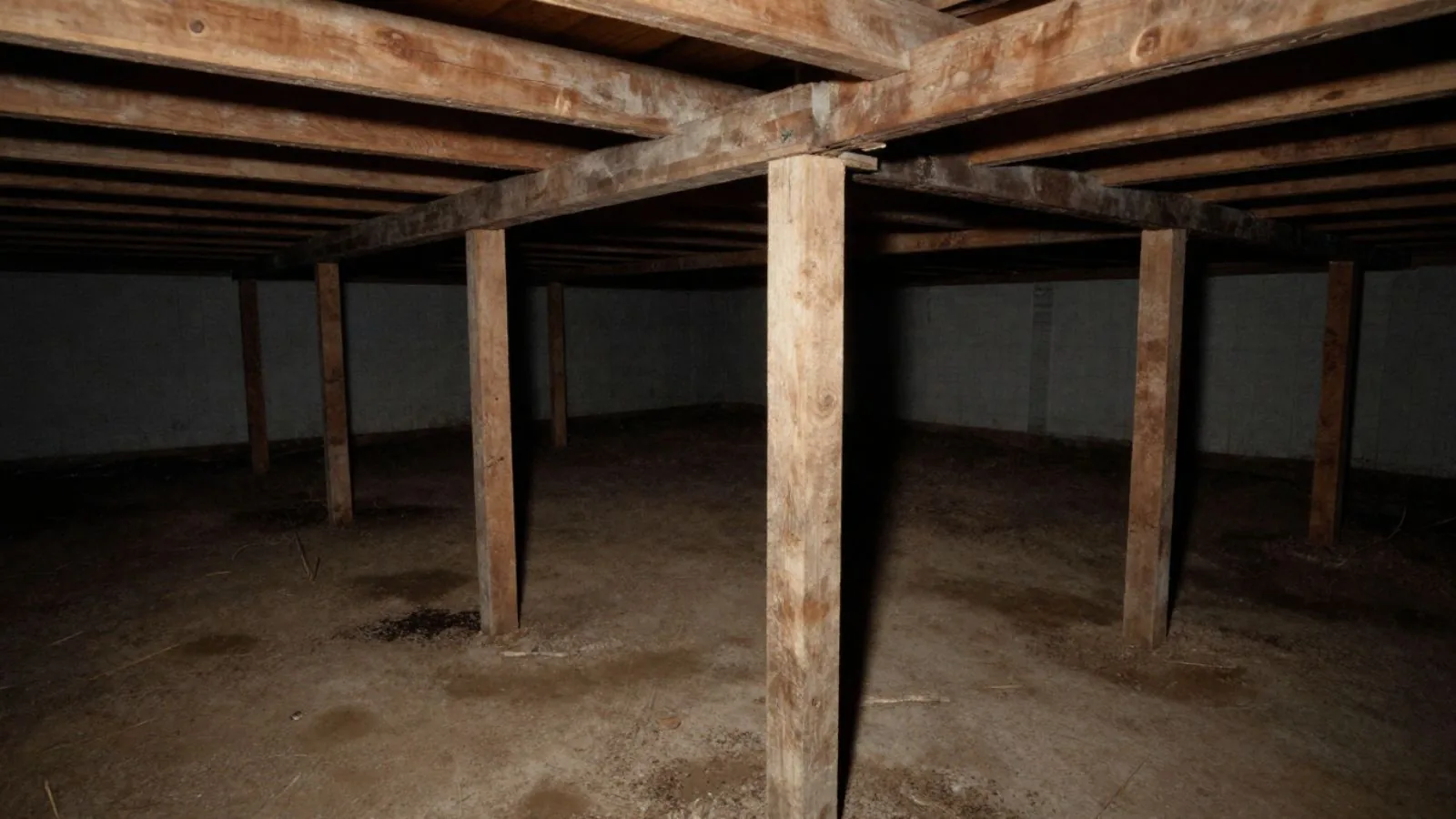
The floor looks dry, the towels are in the wash and the house still smells like a damp cellar. A musty odor after water damage is a sign that moisture is still inside something, and that something is usually hidden.
This guide explains where the smell comes from, how to track it down and what removes it for good, with no masking and no guesswork.
What a musty smell tells you
Musty odors come from microbial growth and damp materials. The smell is a clue that moisture remains. It does not tell you how much growth there is or where.
Do not try to cover it with air fresheners. They make it harder to tell whether the problem is improving.
Where smells hide
Common hiding places include carpet pad, the space under flooring, wall cavities, insulation, the back of cabinets, crawl spaces and the bottom of closets. Water follows gravity and wicks upward, so the wet spot may be far from the stain.
A moisture meter and thermal camera find hidden damp areas faster than your nose.
| Smell location | Possible hiding place | Usual fix |
|---|---|---|
| Under carpet | Wet pad or subfloor | Remove pad and dry |
| Near a wall | Wet cavity or insulation | Open and dry |
| In a closet | Humidity or wicking | Dry and ventilate |
| From vents | Wet ductwork or coil | Have HVAC checked |
| Basement | Damp concrete or stored items | Dehumidify and clean |
Water on the floor right now?
☎ Call (774) 483-4896Dry first, clean second
Odor control works once the material is dry. Air movers and dehumidifiers pull out moisture, and cleaning can follow. Deodorizing a wet wall only hides the smell for a while.
The structural drying page explains how readings confirm dryness.
Cleaning, removal and air
Materials that cannot be dried or cleaned, such as soaked pad or crumbling drywall, are removed. Surfaces are cleaned and the space is ventilated. Air scrubbers with HEPA filters may be used after cleaning.
If you see dark growth, read about mold remediation. If sewage was involved, see the sewage backup page.
Keep it from coming back
Fix leaks, keep humidity between 30 and 50 percent per EPA guidance, ventilate bathrooms and use a dehumidifier in damp areas. A hygrometer shows how you are doing.
Check again after a few rainy days. A smell that returns means moisture is back.
A simple search routine for the source
Start with your nose in the room where the smell is strongest. Check the floor near walls, the underside of sinks, the back of closets and the edges of carpet. Lift a corner of carpet if you can do so easily. A flashlight and a dry paper towel pressed on suspect spots will show dampness.
If the smell comes and goes with the weather, humidity is probably the cause. If it stays after dry days, there is a wet source.
Common household causes
Slow drips under a sink, a dishwasher gasket that leaks a little each cycle, a window that lets in rain and a basement wall that sweats in summer all produce smells without visible puddles.
Dryer vents that end inside a wall or attic add moisture too. Check that vents run outdoors.
- Under-sink cabinets.
- Behind the dishwasher and washer.
- Window sills and trim.
- Basement walls and corners.
When odor testing or a pro is worth it
If you cannot find the source after a careful look, a moisture meter and thermal camera will. A crew can map moisture without cutting open walls. Ask for readings, not just a sniff test.
If the smell followed sewage or flood water, treat it as a contamination issue and see the sewage backup page.
When the smell is not water at all
Not every musty smell is from a recent leak. Old books, stored fabrics, closed-up rooms and refrigerators can smell musty without active moisture. A dry meter reading and a low humidity reading point away from a water problem.
If readings are normal and the smell persists, try airing the space, washing fabrics and cleaning surfaces. If the smell returns with weather, return to the humidity question.
Cleaning methods that help and ones that do not
Once the area is dry, wash fabrics, wipe hard surfaces with detergent and water and vacuum with a filtered machine. Baking soda in an open container can reduce light odors in closets. Activated charcoal helps a little too.
Avoid scented sprays that cover the smell. Also avoid fogging devices unless a professional advises them, since they do not fix moisture.
Safety and standards for odor work
EPA guidance links musty odors to moisture and mold, and the first step is always to find and fix the water. The ANSI/IICRC S520 standard guides larger mold work. This guide gives no medical advice, so ask a physician about health concerns.
Until the source is fixed, take these steps.
- Ventilate on dry days.
- Do not use ozone machines around people or pets.
- Do not mix cleaning chemicals.
- Keep sensitive family members out of the room.
- Stop the moisture source.
Why Fairhaven houses smell damp
The coast brings humid summers and wet winters, and nearly 3,000 of Fairhaven's 7,447 housing units date from before 1940 per the town's hazard mitigation plan. Many have cellars with stone or block walls that hold moisture.
Homes in Mattapoisett and Marion on crawl spaces face similar odors.
Frequently Asked Questions
Can an ozone machine remove the smell?
Ozone is not a fix for moisture, and it should not be used where people or pets are present. Find and dry the source.
How long until a damp smell goes away?
It goes away when materials are dry and cleaned. Readings, not a calendar, tell you.
Is a musty smell always mold?
Not always, but it often means microbial growth or damp material. Investigate the moisture.
Should I open the windows?
Ventilation helps on dry days. On humid days, a dehumidifier works better.
Can a smell come from the HVAC system?
Yes. Wet coils, drain pans or ductwork can hold moisture. Have the system checked if the smell is strongest at the vents.